Contact Us:



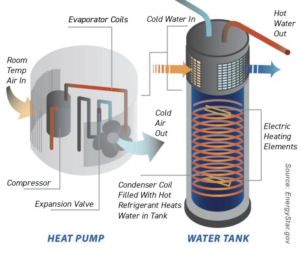
Heat pump water heaters (HPWHs) are rapidly gaining popularity as a smart, energy-efficient alternative to traditional electric or gas water heaters. By leveraging ambient air to heat water, these systems offer significant energy savings and environmental benefits, making them an ideal choice for homeowners and businesses looking to reduce utility costs and carbon footprints.
Unlike conventional water heaters that generate heat directly through electric resistance or combustion, HPWHs operate on the principle of heat transfer. They extract heat from the surrounding air using a compressor and refrigerant system, then transfer that heat to the water stored in the tank. This process is similar to how a refrigerator works—but in reverse.
1 of the most compelling advantages of HPWHs is their efficiency. According to the U.S. Department of Energy, they can be 2 to 3 times more efficient than standard electric water heaters. This translates to lower energy bills and reduced greenhouse gas emissions. Over time, the savings can offset the higher upfront cost of the unit, especially when combined with rebates or incentives offered by utilities or government programs.
HPWHs are best suited for installation in areas with moderate to warm climates and sufficient space, such as basements, garages, or utility rooms. Because they rely on ambient air, their performance can be affected by temperature and airflow. However, many modern models come equipped with hybrid modes that allow them to switch to electric resistance heating when needed, ensuring a consistent hot water supply even in colder conditions.
These new water heaters are more expensive than the old standard water heaters, but Columbia REA can help level the costs with some excellent rebates up to as much as $1,800 for a common unit. Of course, there are rules to follow, but they are easy to comply with. See the Rebate Offers page for more details.
Also, check with your tax professional, as you may be able to get a tax credit as well.

Charlie DeSalvo, Energy Efficiency Specialist
If you have any questions about energy efficiency, email Charlie DeSalvo or call (509) 526-4041.