Contact Us:


Story and photos by Rural Montana Editor Ryan Hall
The 4 lower Snake River dams play a vital role in recreation and environmental stewardship in Idaho and Washington and have important impacts on irrigated farmland.
“Whenever you build a dam, you have a bunch of associated missions that go along with that,” said Chad Rhynard, chief of the technical support branch for the Walla Walla District of the U.S. Army Corps of Engineers.
The Corps of Engineers oversees habitat management units, where it manages lands specifically for recapturing native habitats.
“We do a little bit of everything in our portfolio because of how flexible hydropower is,” Rhynard said.
“People will always recreate,” Rhynard said. “They will always find ways to get to water.”
The Corps of Engineers does everything it can to present fun, safe opportunities that also protect the environment.
“As people find their way to the water, they do it in such a way that is safe to them, others and the environment,” Rhynard said.
Corps also is focused on preserving cultural habitats.
“We have a lot of cultural significance along our shorelines,” Rhynard said. “It’s where your grandfather took you fishing for years growing up.”
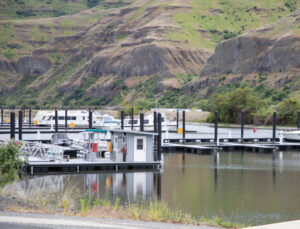
The Corps has created and oversees parks, boat launches and beaches, as well as tent and RV campgrounds.
Rhynard said people fish, boat, swim and play watersports, in addition to taking advantage of the primitive and full hook-up camping with shower facilities up and down the Snake River.
“We are trying to manage native landscapes the best we can,” he added.
Rhynard said the dams present unique recreational opportunities because just upstream of each dam, the Snake River seems more like a lake, while downstream areas have characteristics of a river.
“It really just depends on where you are along the river,” he said.
The more developed campgrounds are popular in the summer, according to Corps staff.
“Charbonneau Park is pretty much a destination location,” said Brandon Frazier, assistant natural resource manager for the Army Corps of Engineers, describing the area in Eastern Washington that features camping, swimming, hiking, fishing, boating and more.
In addition to the parks and campgrounds, the HMUs the Corps manage are valuable to recreationists and wildlife.
People can hunt, watch birds and ride horses in the HMUs, in addition to other activities. But those activities don’t come at the expense of the wildlife or habitat. In fact, that’s exactly what the HMUs are designed to protect.
“We manage those areas for habitat and wildlife diversity,” Frazier said. “I think they’re very vital.”
Much of the habitat in the HMUs is water-dependent.
“Without the dams, those opportunities would be lost,” Frazier said. “A lot of those riparian areas would be dry.”
It may surprise some people to learn irrigation is not one of the core missions of the lower Snake River dams. However, that does not mean they are not vital to area farmland.
“We don’t have an irrigation mission in the Corps,” said Paul Ocker, chief of operations for the Walla Walla District of the U.S. Army Corps of Engineers.
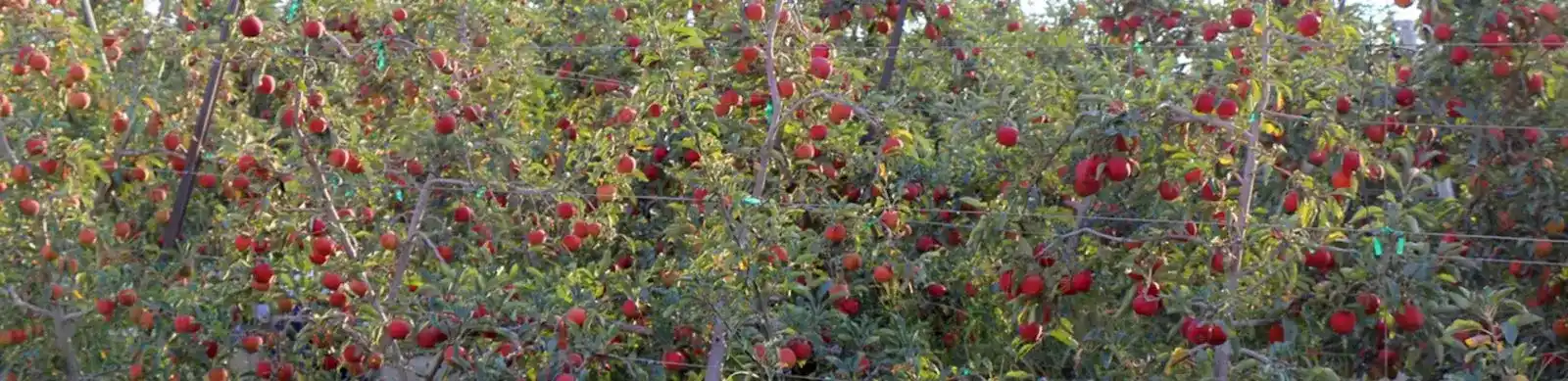
However, there are about 48,000 acres of irrigated lands because of Ice Harbor Dam. Apples, cherries, grapes, wheat, canola, mint and more are all aided by irrigation.
According to Washington Governor Jay Inslee’s 2022 Lower Snake River Dams: Benefit Replacement Report, potatoes and onions are grown on lands irrigated because of Ice Harbor Dam. The report further states the combined production value of irrigated land along the Snake River in 2021 was estimated to be $327.89 million.
The report also states if Ice Harbor Dam was to be breached, as has been proposed by some environmental groups, the cost estimates for mitigating impacted irrigation from wells and surface water combined would range from $188 million to $787 million. The additional annual maintenance cost would be another $7.4 million. Over 50 years, these annual maintenance costs equate to an additional $218 million, the report states.