Contact Us:


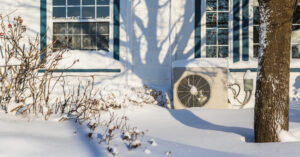
Residential heat pumps play a crucial role in maintaining comfort in your home, providing both heating and cooling capabilities. Do you change the oil and rotate your car tires? As with your car, regular upkeep on your heat pump not only increases energy efficiency but also helps avoid unexpected breakdowns, reducing the overall cost of ownership.
Routine inspections are the foundation of preventive maintenance, especially after winter and summer. Spring and fall are great times to do these activities as the heat pump doesn’t need to work much on mild days. Inspect the outdoor and indoor units regularly. Check for any visible signs of wear, damage, or debris around the outdoor unit. Additionally, know when to clean or replace your air filters to maintain proper airflow and system efficiency.
The coils in the outdoor and indoor units are critical components for heat exchange. Over time, these coils can accumulate dirt and debris, hindering their ability to transfer heat effectively. Periodic cleaning of the coils ensures optimal performance and energy efficiency. This task is best performed by an HVAC professional.
Adequate refrigerant levels are essential for the efficient operation of heat pumps. Low refrigerant levels can lead to decreased performance and increased energy consumption. A qualified technician may inspect and adjust refrigerant levels as needed during routine maintenance visits.
Leaks or blockages in the ductwork can compromise the efficiency of your entire heating and cooling system. Inspect ducts for any visible issues, such as loose connections or damage. Professional duct cleaning and sealing may be necessary.
The thermostat serves as the control center for the heat pump system. Ensure that the thermostat is functioning correctly, accurately measuring, and regulating the indoor temperature.
Consider upgrading to a programmable thermostat for better energy management. Ask your technician if the thermostat is managing auxiliary or emergency heat correctly, if not it could cause higher electric bills. Know when the auxiliary heat is coming on, as large temperature-setting changes to the thermostat can cause it to come on.
While homeowners can perform some maintenance tasks, it’s crucial to schedule professional maintenance at least once a year. Certified HVAC technicians have the expertise to identify and address potential issues before they escalate, helping the longevity and reliability of your heat pump. Ask the technician how often you should change your air filter. The mild temperatures of spring and fall are great times as your technician is generally not as busy with emergency calls.
Investing time and resources in preventive maintenance for residential heat pumps is a wise decision that pays off in terms of energy efficiency, cost savings, and overall comfort. By incorporating these maintenance practices in the spring and fall, you can extend the life of your heat pump and enjoy consistent heating and cooling performance throughout the year.

Charlie DeSalvo, Energy Efficiency Specialist
If you have any questions about energy efficiency, email Charlie DeSalvo or call (509) 526-4041.