Contact Us:



But make sure you have a plan for when you need to use it
If you’re wondering whether to buy a home generator in case of a power outage, you’re not alone.
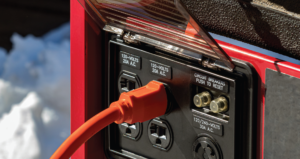
There are many choices. A good first step is to think about what you want a home generator to do. Do you want to just keep your phone charged? Do you want to make sure your refrigerated food doesn’t spoil? Do you want to make sure you have heat and air conditioning through an extended outage? Answering these questions will require you to know the total wattage of the appliances you want to run so you know the capacity of the generator you need.
You might also ask yourself if you really need a generator. The average home in the United States is without power about seven hours a year. Is that enough to justify the expense and attention required to run a generator safely?
Before firing up a generator at your home you should contact your electric utility to get some expert advice on the best and safest fit for your home. Special attention to safety is required. Generators should never be used indoors, not even in a garage or closer than 20 feet from the house. And if connected incorrectly, a generator can back feed electricity into the grid and cause serious safety hazards to utility personnel. Appliances should be plugged in to the generator—the generator should never be plugged into an outlet or your home’s electrical system.
Some portable generators are small enough to take on camping trips. The cost for these can vary from as little as $400 to more than $2,000. Many portable generators should be able to run a refrigerator or a window air conditioner. Inverter generators are higher-tech versions and produce cleaner power for sensitive electronics, but they also cost more.
Permanently installed standby generators can cost $7,000 or more, plus installation, but they have the benefit of turning on automatically during a power outage and running your entire house. Typically, the generator is connected to your home electrical system and runs on propane or natural gas. Any generator connected to your home’s wiring must be installed by a professional electrician, permits approved, and be inspected by Washington state L&I.
Power stations, which are essentially batteries, charge themselves while the power is on. They’re not as powerful as some of the other options—and can be more expensive—but they’re quiet, easy to operate and some are designed to look good hanging on the wall. One common use of power stations is to pair them with rooftop solar panels so electricity from the sun is available even at night.
Today’s technology gives you many choices, whether you want to make sure you’re never without power, or willing to just light a candle and wait for the lights to come back on, or somewhere in between.

Charlie DeSalvo, Energy Efficiency Specialist
If you have any questions about energy efficiency, email Charlie DeSalvo or call (509) 526-4041.